Contrary to what headlines and social media often suggest, science doesn’t actually deal in proof; it deals in probabilities. Studies give us estimates of how the world likely works, not absolute certainty – and the stronger their design and execution, the closer those estimates get to the truth.
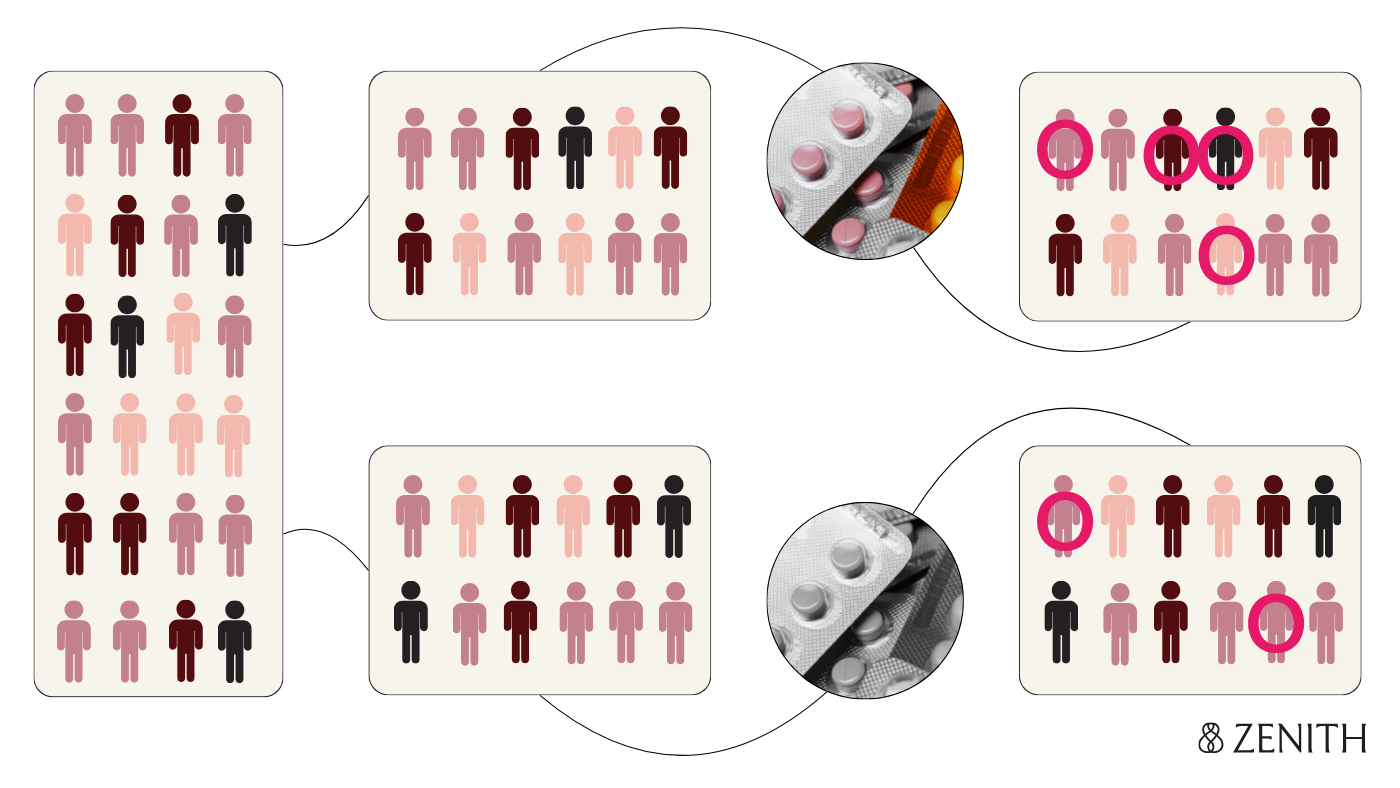
There’s a growing recognition among experts that excluding pregnant people from research may cause more harm than including them — after all, pregnant people take medications whether we study them or not. So how do we fill the gaps in evidence, when traditional clinical trials aren't possible?
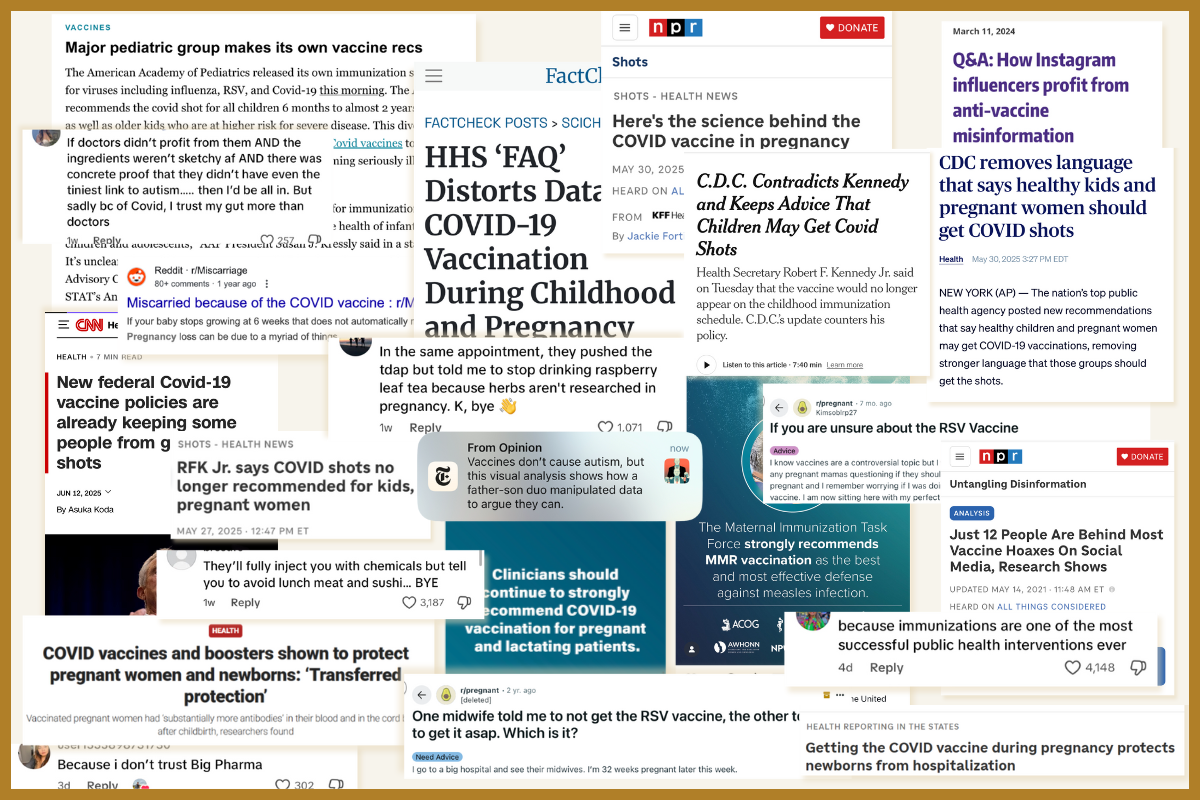
When tens (or even hundreds) of conflicting and clickbaiting headlines and notifications flood your phone’s home screen every day, how do you go about making sense of it all?
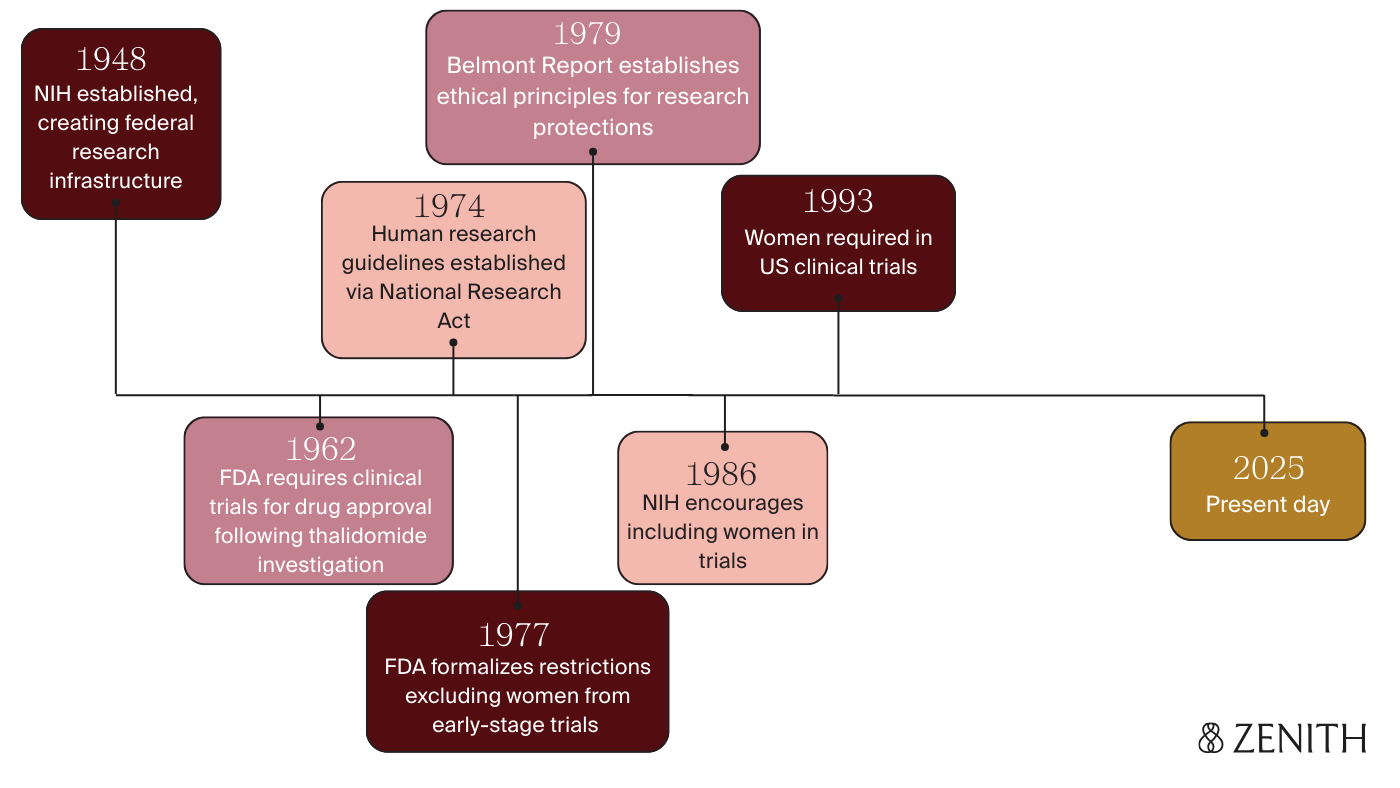
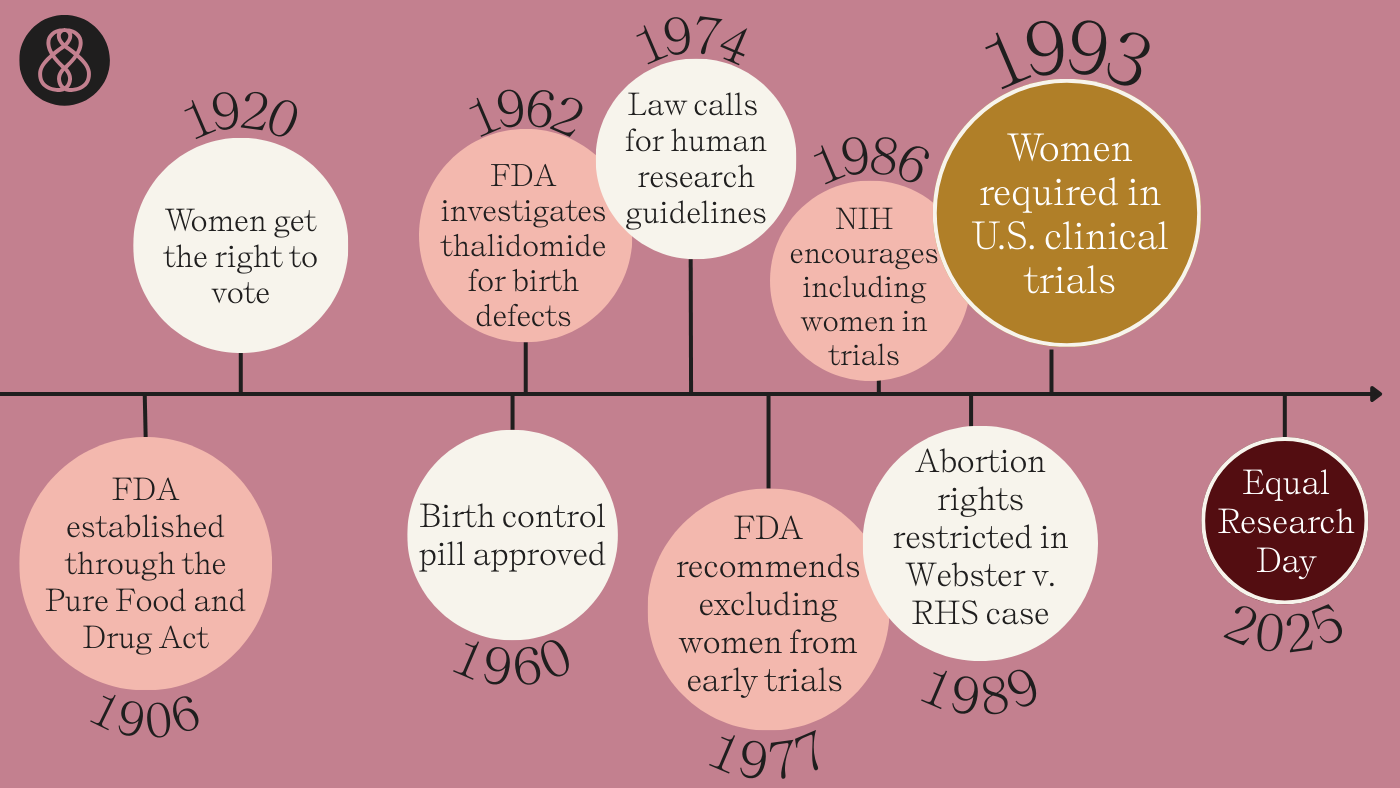
Today (June 10) is Equal Research Day: celebrated to raise awareness of the gender health gap and to promote inclusive research. June 10, 1993 is when women were finally required to be included in clinical research in the U.S.
April 30, 2025 — Today, we are proud to be launching the Zenith Health platform: the Zenith Pregnancy Evidence Project and Ask Penny!